
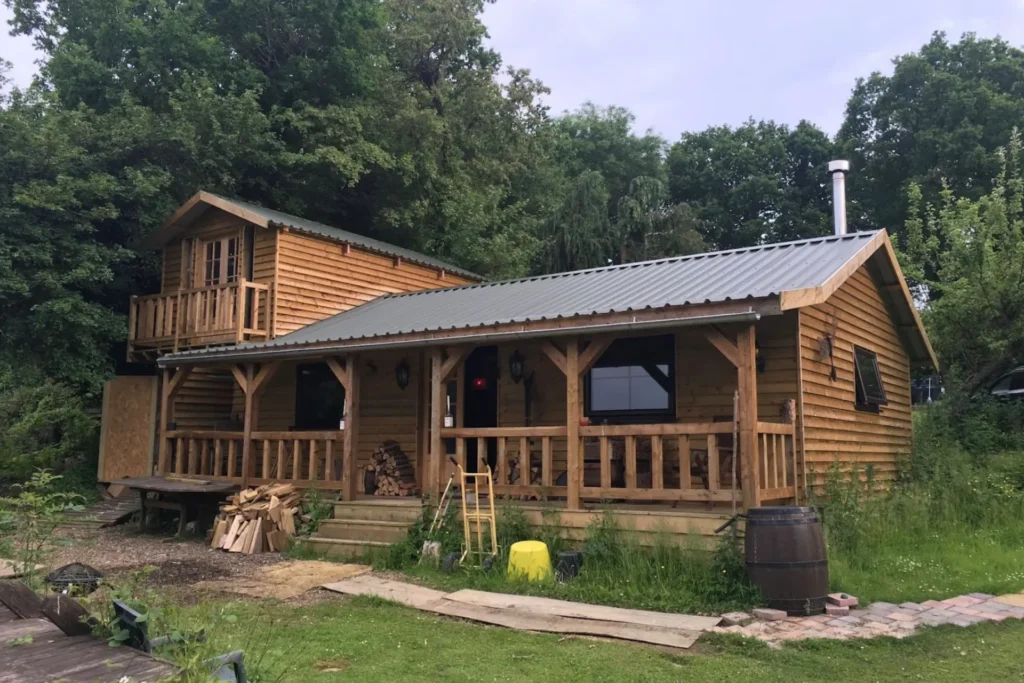
A garden room can be the smartest way to add extra space without turning your house upside down. Done well, it becomes part of how you live, not a glorified shed at the end of the lawn. Done badly, it’s a chilly box that looks good on day one and frustrates you every winter.
If you’re collecting garden room ideas, start with how you want it to feel. Is it a calm home office that helps you switch into work mode? A garden studio for painting, music, or making? A snug living space for reading and film nights? Or even a garden gym that stops you paying for a membership you never use?
Good garden room design begins with a brief, even if it’s simple. Think about how many people will use it, whether you need storage, and how you want the room to “behave” day-to-day. A home office needs glare control and proper office space planning, not just a desk shoved in a corner. A family hangout wants seating, acoustic comfort, and a layout that feels inviting.
From there, the room design becomes easier. You can decide on proportions, ceiling height, and whether you want a clean-lined contemporary garden room or something warmer that echoes the main house.
Most modern garden rooms live or die by their glazing. Positioning windows and doors is about more than “nice views.” Increasingly, it’s about how the light moves, where you’ll sit, and how private the space feels. Double glazing is non-negotiable in the UK, and double glazed units should be paired with careful sealing and good threshold details so the room stays comfortable year-round.
This is where bespoke garden rooms really earn their keep. When the glazing, internal cabinetry, shelving, and wall linings are designed together, the whole space feels calmer and more intentional. A wide opening set of doors can make the room flow into the garden in summer, while still keeping proper insulation for winter evenings.
If you want a garden room that gets used daily, build it like a proper room. Insulation, ventilation, and heating need to be considered early. Energy efficiency is not just about bills, it’s about comfort. Nobody wants to work in a room that swings from freezing to stuffy.
Small choices add up: high quality materials, airtightness, the right glazing spec, and joinery that’s made to fit, not “made to make do”. Get those right and the room becomes a genuinely usable space, not seasonal overflow.
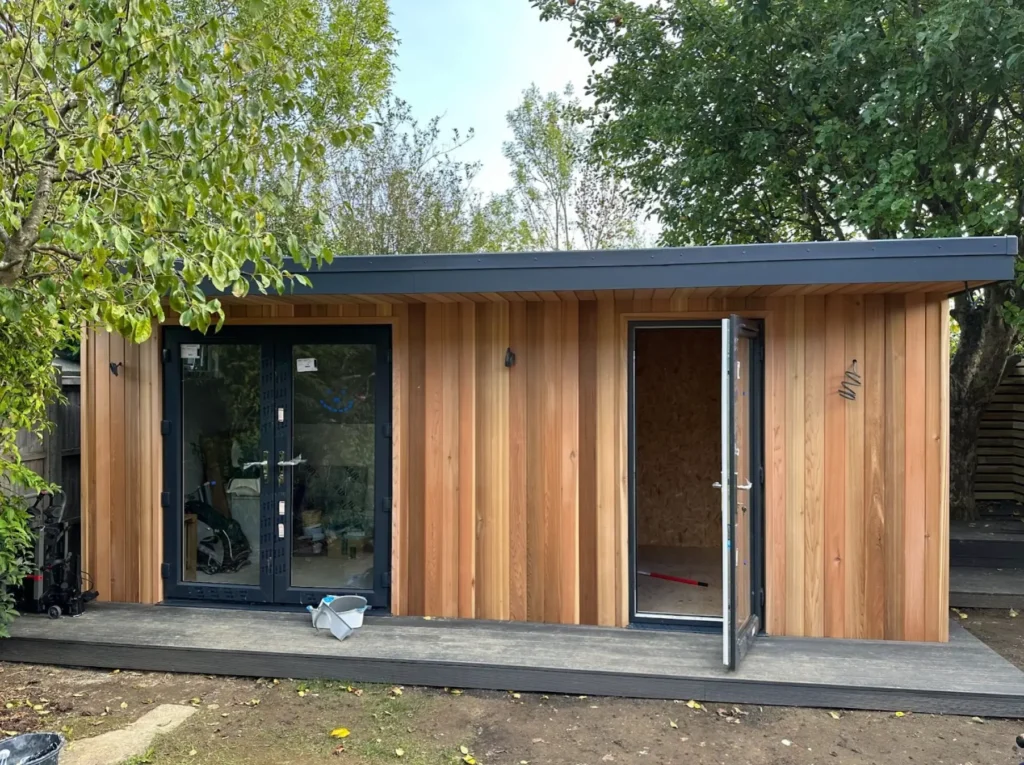
A modern garden often suits a cleaner look, but modern does not have to mean stark. Timber finishes, soft textures, and built-in storage can keep the architecture crisp while still feeling lived-in. If you’re choosing between styles, take cues from your home’s proportions and window lines so the new space feels connected rather than tacked on.
It also helps to think about the wide range of uses a garden room might need to handle over time. Today’s office could become a teen hangout, a guest space, or a quiet reading room later. Flexibility is a design feature.
A big question we hear is garden room planning permission. Many garden rooms fall under permitted development, but it depends on your property, the size, height, and where it sits. Some builds end up requiring planning permission, and rules can tighten if you’re in conservation areas or your home is listed. If it’s single-storey, set back from boundaries, and within typical limits, you may be fine, but it’s always worth checking before you commit.
The difference between a basic garden room and something that feels like a true extension often comes down to the interior. Integrated storage for cables, printers, gym kit, books, or hobbies keeps the room calm. Thoughtful placement for lighting and sockets helps you actually use the space without trailing leads everywhere.
At Tru English Bespoke Joinery, we approach garden rooms like we would any premium interior: proportion, function, finish, and the details you touch every day.
If you’re weighing up garden room ideas and you want a space that feels considered, we can help shape the design, the joinery elements, and the finishing touches so it works beautifully in real life. Give us a ring or drop us an email and tell us how you want the room to be used.
📧 chris@truenglishbespokejoinery.co.uk
Not always. Many garden rooms can be built under permitted development, but it depends on height, footprint, placement, and your property type. If you’re in conservation areas or dealing with a listed building, you may face extra restrictions, so it’s worth checking early. When in doubt, we’d rather help you confirm the route than design something you cannot build.
Permitted development usually covers outbuildings that are incidental to the enjoyment of the house, within certain size and height limits. A single storey garden room often fits neatly within this, but boundaries and overall garden coverage matter. If you want something larger or positioned closer to neighbouring fences, it may end up requiring planning permission.
Match proportions and sightlines, then focus on the details: windows and doors that suit the main property, consistent finishes, and built-in elements that give it purpose. Thoughtful room design also helps, especially when storage and lighting are integrated rather than added later. The goal is for it to feel intentional, not like an afterthought.
They can be, if they’re designed properly. Double glazed units, good insulation, and airtight construction are the foundation, then heating and ventilation finish the job. Energy efficiency is the difference between a room you use daily and a room you avoid once the temperature drops.
Start with how you work. Screen position, glare control, acoustics, and storage for office space clutter all matter more than people expect. We often recommend planning the desk wall, power points, and shelving early so the room stays calm and functional rather than slowly becoming a messy spare box.
Yes, with smart zoning. You can keep one end open for movement and equipment, and use the other for storage or a small seating area. Flooring, ventilation, and privacy become more important in a gym setup, so garden room design needs to support the way you’ll actually use it.
The right glazing is the one that suits your light and privacy needs. A contemporary garden room often looks great with larger openings, but you still need comfort and performance, so double glazed specs and good seals matter. Consider where the sun hits, where neighbours can see in, and how you’ll use the room at different times of day.
Built-in storage is what you need here. Cabinets, shelving, and concealed spaces for tech and everyday items keep the room feeling refined, especially for modern garden rooms that rely on clean lines. High quality joinery finishes also age better, which matters in a space you’ll see every day.
It varies, but good design is usually a process rather than a quick sketch. You’re balancing structure, insulation, glazing, and the interior details like cabinetry and storage. Spending time early often saves money and stress later, because the build becomes clearer and the outcome more predictable.
There’s a wide range, depending on size, specification, glazing, and interior fit-out. A basic structure might look affordable on paper, but performance and finish are what make it a lasting living space. If you want a room that feels like a true extension, the budget should cover energy efficiency, double glazed doors and windows, and the joinery elements that make it work day to day.