
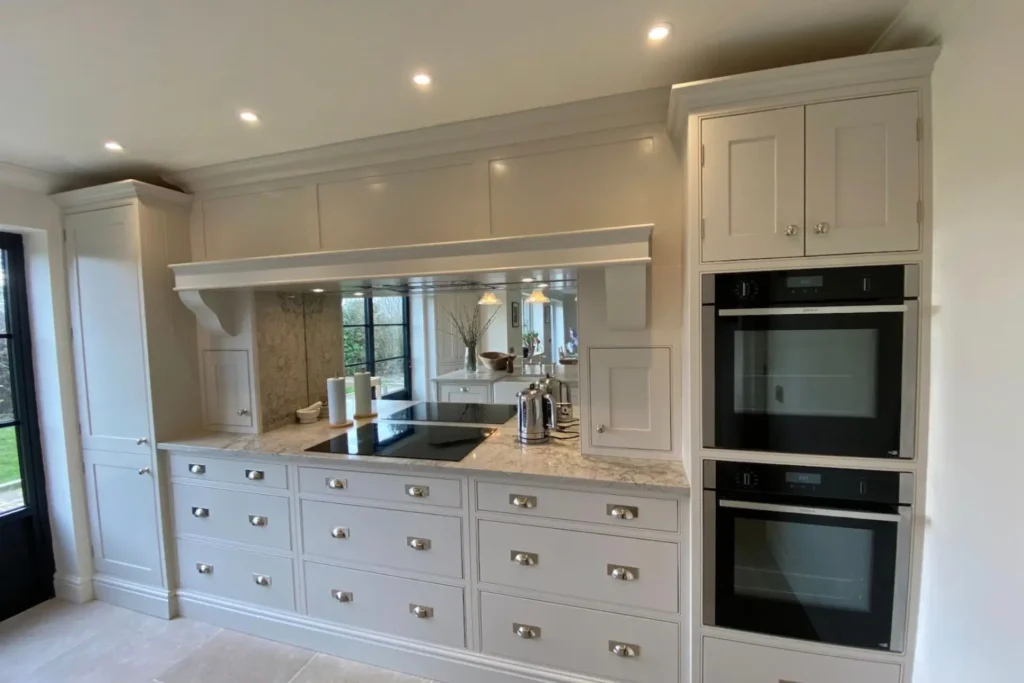
Most people searching for kitchen storage ideas don’t really start at “storage ideas”. They are trying to solve a daily irritation. Maybe the pans are stacked badly, or the herbs and spices disappear into the back of a cupboard. Chopping boards slide about, and cleaning products end up mixed in with food cupboards. The room may look fine at a glance, but using it feels more awkward than it should.
That is why the best storage ideas in the kitchen start with routine. Before you think about adding more shelves or buying another kitchen organiser, it helps to ask a few simple questions. What do you use every day? What needs to be close to the hob? What should live near the sink? What do you want hidden away?
Good kitchen storage ideas should make cooking, cleaning, and putting things away easier, not just make the room look tidy in a photo. In this blog, we look at practical kitchen storage solutions that improve access, reduce clutter, and make better use of kitchen cupboards, drawers, shelving, and awkward corners. Whether you have a small kitchen or a larger family space, the goal is the same: keep everyday items within easy reach and make the room work harder.
The easiest way to improve a kitchen is to organise it by frequency of use. Everyday cookware, mugs, plates, oils, and utensils should be where you can reach them without bending, stretching, or shifting three other things out of the way.
A few useful rules help here:
This sounds basic, but it is often the part people skip. A kitchen can have plenty of kitchen cabinets and still work badly if the contents are in the wrong places.
Kitchen cupboard storage ideas are usually most effective when they deal with depth. Deep cupboards often become dumping grounds because the back half is hard to see and harder to reach. Pull-out trays, internal drawers, and tiered inserts can make a huge difference.
Cupboard door storage can also be useful, particularly for smaller items. Foil, bin bags, cloths, and packets of cleaning supplies can all sit neatly on the inside of a door instead of taking up valuable shelf space.
If you are planning bespoke cabinetry, it is worth thinking beyond standard shelves. The right internal layout will usually do more for day-to-day use than simply adding another cupboard.
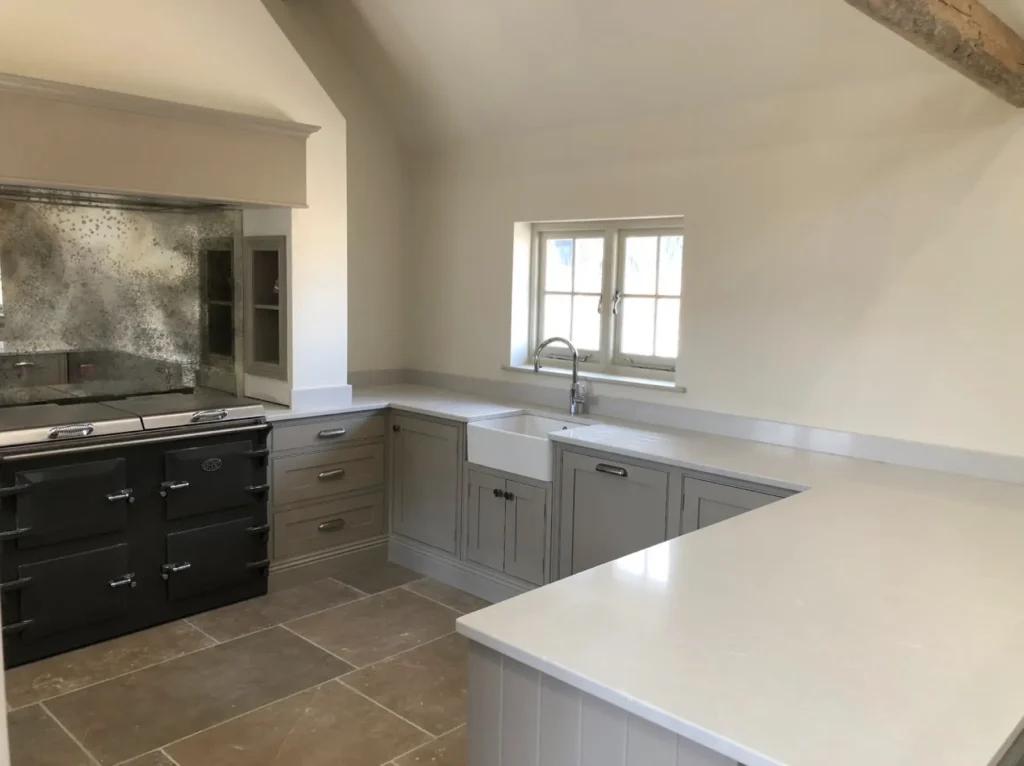
Kitchen drawers are often more practical than lower cupboards, especially for food storage, pans, and utensils. The reason is simple: drawers bring the contents out to you. You can see everything at once, which makes it far easier to stay organised.
Deep drawers work well for:
Shallower drawers are better for cutlery, utensils, tea towels, and smaller tools. Dividers help, but only if they match what you actually own. There is no point in a beautiful insert if your utensils do not fit inside it properly.
Kitchen shelving can be useful, especially in a small kitchen where wall space needs to work harder. Open shelves are best for attractive, frequently used items such as glasses, crockery, or jars. They are less useful for things you would rather not look at every day.
Kitchen trolleys can also help in the right room. They are useful for flexible storage, especially if worktop space is limited, but they should earn their keep. If a trolley ends up holding random clutter, it is not solving the problem.
Storage units can be helpful too, but only when they suit the room. A freestanding piece in the wrong place can make a kitchen feel tighter rather than better organised.
One of the most useful ways to plan kitchen storage solutions is by creating zones. Keep baking items together. Store breakfast things in one section. Put cooking oils, pans, and utensils near the hob. Treat the sink area as its own zone for washing up and cleaning products.
This approach makes the kitchen feel more intuitive. Instead of hunting around, you begin to know exactly where things belong. That is what keeps a kitchen clutter free long term.
If your current storage feels awkward or underused, Tru English Bespoke Joinery can help design a fitted solution that makes the room easier to cook in, easier to tidy, and better suited to daily life. Book a design visit and we can look at practical ways to improve flow, cupboard layout, and kitchen storage without compromising the look of the room.
📧 chris@truenglishbespokejoinery.co.uk
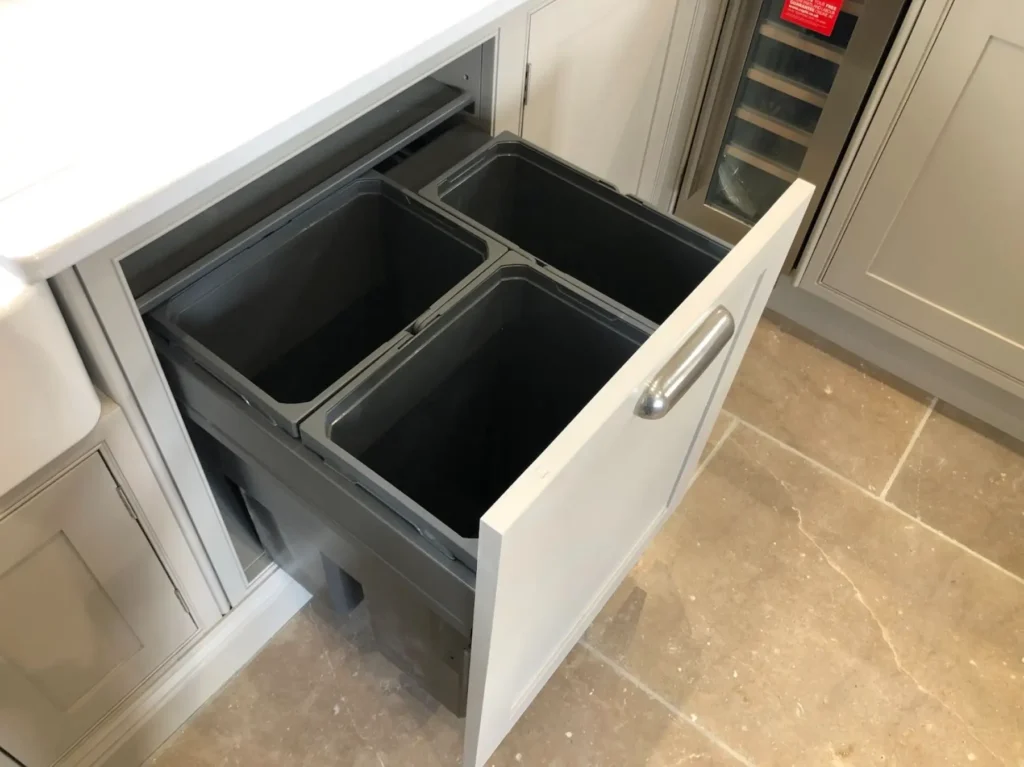
The best kitchen storage ideas make daily tasks easier. That usually means keeping frequently used items within easy reach, grouping similar items together, and using drawers or pull-out storage so nothing gets lost at the back of a cupboard.
You can often improve kitchen cupboards with internal organisers, shelf risers, pull-out baskets, and cupboard door racks. Small changes to the inside of cupboards can make a big difference without needing a full renovation.
In many cases, yes. Drawers are easier to access because they pull the contents towards you. They are especially helpful for pots and pans, utensils, food containers, and other everyday items.
In a small kitchen, it helps to use vertical space well, avoid overcrowding worktops, and make sure every cupboard has a clear purpose. Open shelving, slim organisers, and carefully planned drawers can all help.
Herbs and spices should usually be stored close to the cooking area so they are easy to grab while preparing meals. They are best kept out of direct heat and organised so labels are easy to read.
It can be, but it works best for items you use regularly and do not mind having on display. Glasses, bowls, and attractive jars tend to work well. Overusing open shelving can make a kitchen look untidy.
Cleaning products are usually best kept in a separate cupboard near the sink, ideally away from food storage. If children are in the home, secure storage becomes even more important.
They can be very useful if the kitchen lacks worktop or cupboard space. The key is to give the trolley a clear job, such as storing vegetables, baking items, or everyday prep tools, rather than letting it become a catch-all.
Store items near where they are used, avoid keeping too many duplicates, and make sure every cupboard or drawer has a clear purpose. A kitchen is easier to keep tidy when the storage layout makes sense.
Bespoke storage is worth considering when standard cupboards are wasting space, awkward corners are not being used well, or the kitchen never feels easy to work in. Tailored joinery can solve problems that off-the-shelf organisers cannot.