
When it comes to creating your dream kitchen, two distinct design languages dominate conversations: contemporary vs classic kitchens. Both have appeal in their way, and both can be brought to life with bespoke kitchen joinery that reflects your taste, lifestyle, and home architecture.
At Tru English Bespoke Joinery, the most essential part of choosing between a contemporary kitchen design and a classic kitchen design is understanding not just how each looks, but how it works for the way you live. The right decision blends visual harmony with lasting functionality, and that’s where handcrafted joinery shines.
In this guide, we’ll explore what defines each style, how they perform day-to-day, and how we bridge the gap for homeowners who love elements of both.
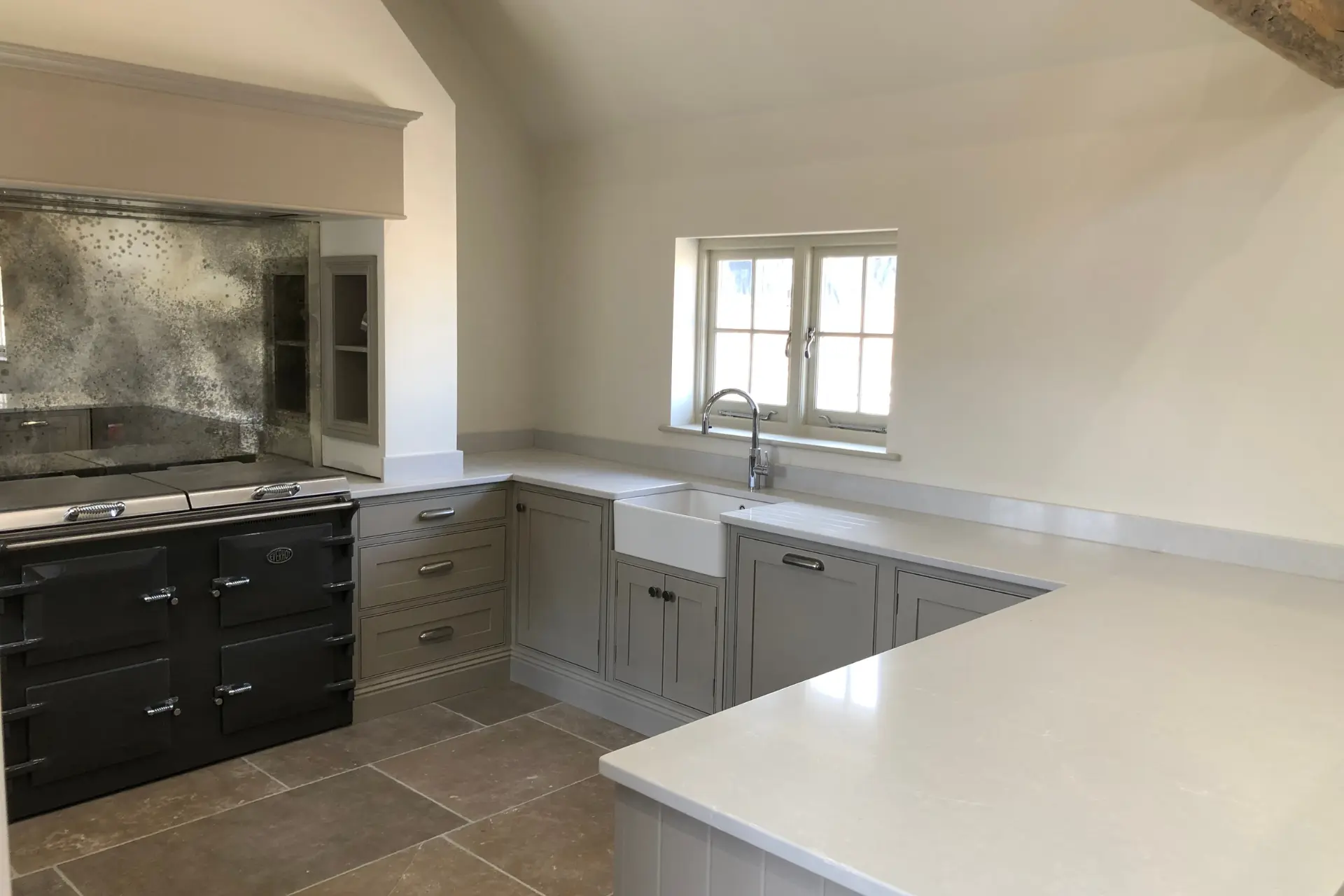
A contemporary kitchen design is rooted in clean lines, minimal clutter, and innovative materials. Think seamless cabinetry, integrated appliances, and open-plan layouts that allow the kitchen to flow into living and dining areas.
Key hallmarks of contemporary kitchens include:
For homeowners seeking modern kitchen ideas, contemporary design offers a versatile platform. It can be sleek and minimalist or warmed with natural wood veneers and tactile stone worktops.
A classic kitchen design is steeped in tradition, with a focus on craftsmanship, comfort, and enduring beauty. Styles like Shaker, farmhouse, and Georgian influences often come into play, creating spaces that feel welcoming and substantial.
Key hallmarks of classic kitchens include:
For those drawn to heritage charm, classic kitchen design is timeless. It’s particularly suited to period properties, but with the right detailing, it can also bring warmth and character to modern homes.

Choosing between traditional vs modern kitchen design isn’t only about aesthetics, it’s about how you use your space.
Contemporary kitchens tend to be favoured by:
Classic kitchens are often preferred by:
At Tru English Bespoke Joinery, we also see a growing number of clients choosing a transitional kitchen, a design that blends contemporary efficiency with classic charm. This might mean combining modern cabinetry with traditional handles, or pairing heritage colours with minimalist lighting.
Whether you choose contemporary or classic, the true hallmark of quality is in the materials and craftsmanship.
In a contemporary kitchen, bespoke joinery allows for:
In a classic kitchen, our joinery brings:
Using bespoke kitchen joinery means every element is made to fit your space precisely, avoiding wasted gaps, awkward corners, or mismatched finishes.
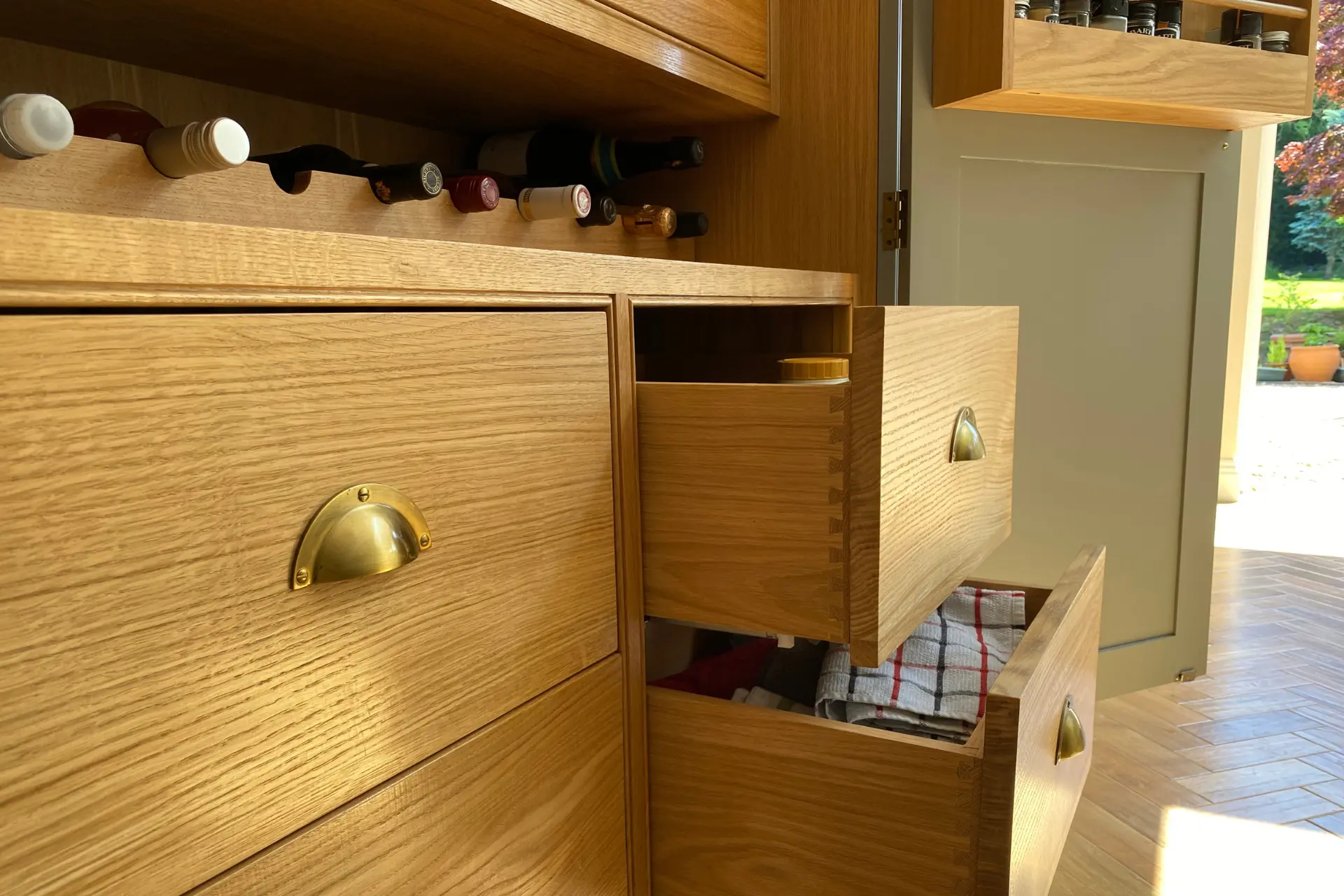
One of the most significant factors in deciding between contemporary and classic kitchens is longevity.
A well-made classic kitchen design will never truly go out of style. Its materials and craftsmanship mean it can be refreshed with a new paint colour or updated handles, extending its life for decades.
A contemporary kitchen design offers flexibility through modularity and changing finishes. If you like to update your home every 10–15 years, its clean-lined backdrop makes it easy to refresh with minimal disruption.
From a property value perspective, both styles can boost resale appeal; the key is quality. Poorly made kitchens date quickly, while bespoke kitchens from Tru English Bespoke Joinery remain as functional and beautiful years later as they were on day one.
Our role is to guide you through design choices, material options, and functional layouts that make sense for your lifestyle.
If you’re drawn to modern kitchen ideas but your home is a Georgian townhouse, we can balance the two, perhaps a Shaker-style door with a sleek matte finish, or concealed appliances within framed cabinetry.
If you adore a classic kitchen design but live in a contemporary build, we might suggest simplifying the moulding details and introducing a soft, neutral palette to keep the look fresh.
Choosing between these styles is much easier when you’re not restricted to standard units or limited finishes.
With bespoke kitchen joinery from Tru English Bespoke Joinery, we can:
This freedom ensures your kitchen isn’t just a style choice; it’s a personal statement.
We have designed, built, and installed contemporary kitchen designs and classic kitchen designs across Sussex, Surrey, and Kent. Our workshops combine traditional craftsmanship with precision machinery, giving you the best of both worlds.
Every project starts with a conversation. We’ll listen to your needs, explore your inspirations, and create concept designs that bring your vision to life. From there, we handcraft each element, install it with care, and leave you with a kitchen that’s ready to live in, and love, for years to come.
Whether you choose a clean-lined contemporary kitchen design, the heritage charm of a classic kitchen design, or a thoughtful blend of the two, the most critical factor is how the space supports your lifestyle.
With Tru English Bespoke Joinery, you can have the style you love without compromise. Every cabinet, worktop, and detail will be made to measure, ensuring your kitchen is as functional as it is beautiful.
Ready to discuss your dream kitchen? Contact Tru English Bespoke Joinery today to arrange a consultation and start designing a kitchen that’s built for your home and your life.
Tel: 01403 915 857
Mob: 07834 625 443
Email: chris@truenglishbespokejoinery.co.uk