
There is no shortage of home decor ideas online. The problem is that most of them are styled for the camera rather than for real life. They look wonderful for a moment, then fall apart the second you add school bags, cables, or anything that belongs to an actual household.
At Tru English Bespoke Joinery, we spend every day working inside real homes, and we see what people genuinely want from their interiors. Something calm. Something personal. Something that feels made for the way they live, rather than the way a showroom looks.
This guide brings together home decor ideas that connect style with practicality. No gimmicks or temporary fixes here, just thoughtful touches that make a home feel complete.
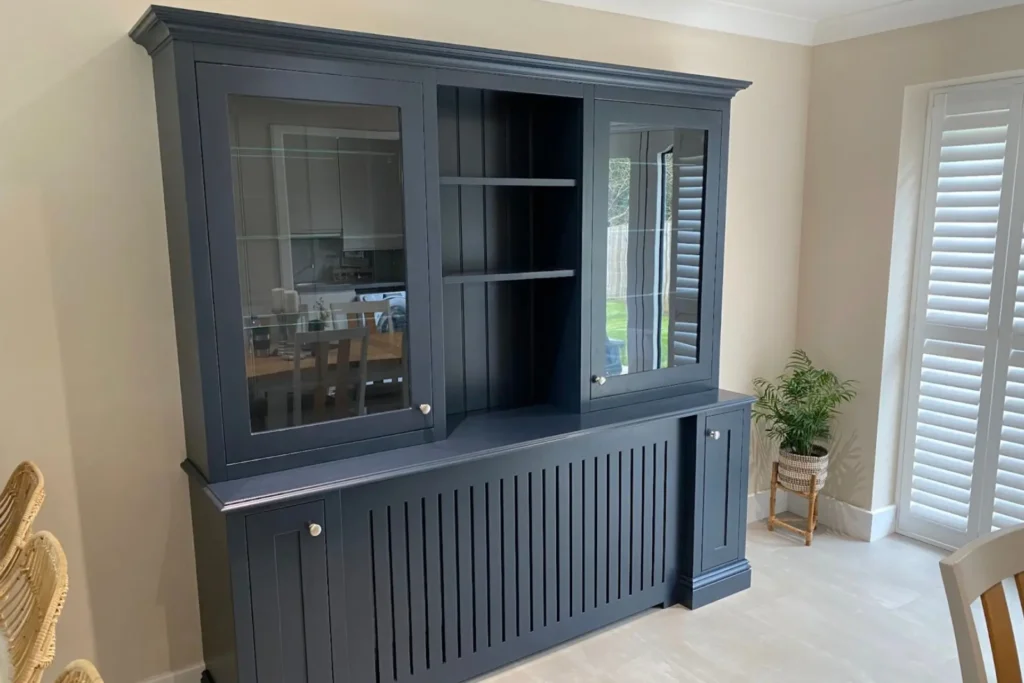
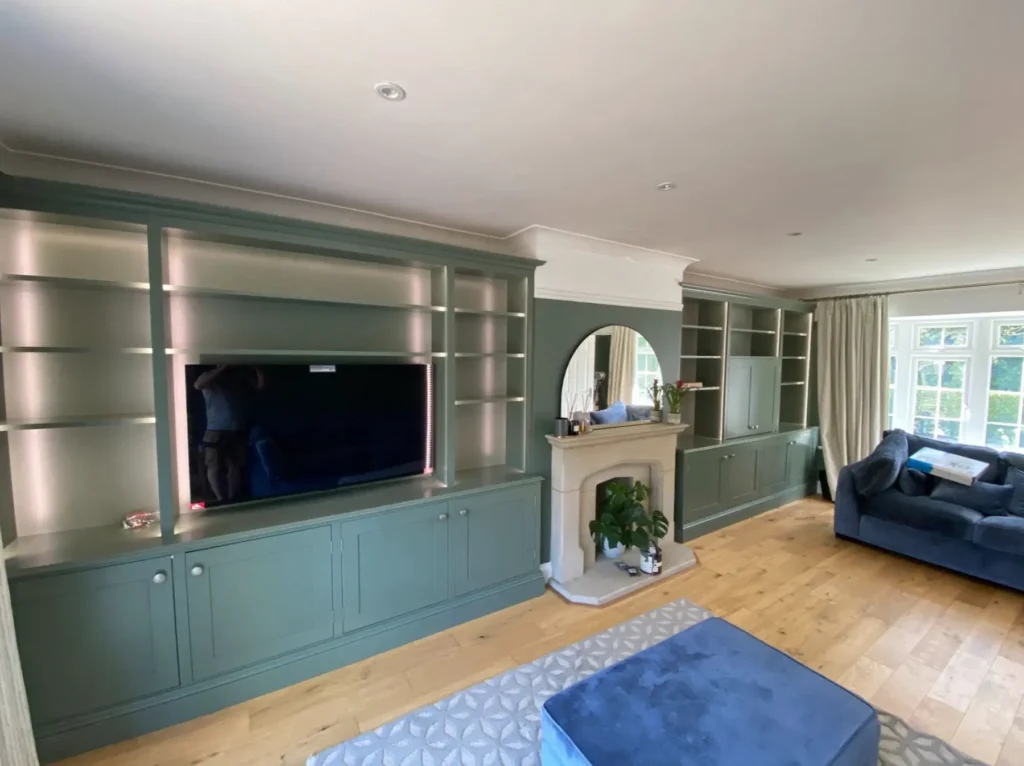
Most successful home interior design ideas start with a focal point. It does not need to be loud. In fact, quieter choices often have more longevity. A beautiful media wall, a built-in bookcase, a crafted kitchen island, or a wardrobe that fills an entire wall in balanced proportions.
When you anchor a room with one confident feature, everything else becomes easier: Colours have purposeful direction, and storage is naturally implemented. You can layer personality without creating visual noise.
Good timber joinery supports almost every style of home design. It introduces warmth without heaviness, structure without fuss, and character without unnecessary ornament. Walnut adds richness. Oak feels grounded. Painted finishes offer softness.
We find that natural materials do a lot of the heavy lifting. When a room already has texture and quality built in, you do not need to decorate as much. A few simple objects, a neutral palette, and well-proportioned cabinetry often achieve more than a dozen accessories.
One of the most overlooked home decor ideas is hidden functionality. Rooms feel calm when everyday items have a defined place to go. Not deep cupboards stuffed with things, but storage that genuinely supports how you use the room.
When storage blends with the architecture, the room feels styled even when nothing has been consciously arranged.
Lighting makes or breaks almost every home interior design idea. You do not need dramatic fixtures. You need layers.
We often integrate lighting into joinery to help a room breathe. Warm LED strips in shelving. Gentle washes of light behind a media unit. Discreet task lighting within a kitchen run. All of this supports mood and clarity without being obvious.
Light has a way of giving a room emotional shape. Bright where you need energy. Soft where you want to unwind. Balanced where you simply want to live in peace.
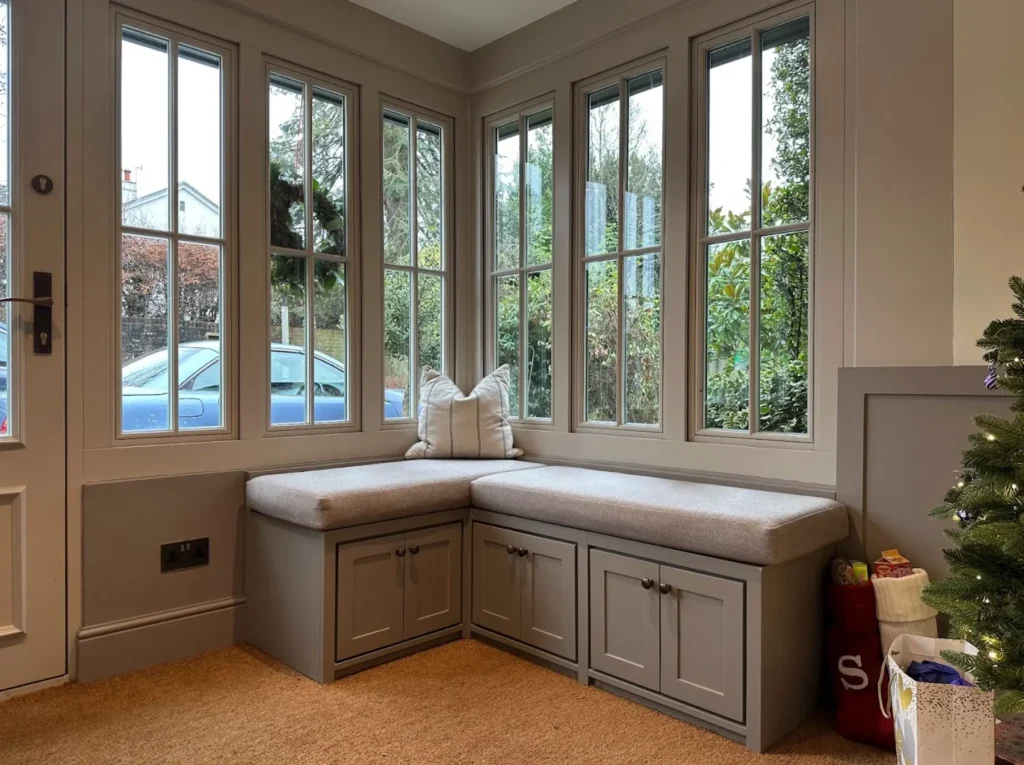
The best home design ideas do not sit untouched. They make people want to walk towards them. A reading nook that feels tucked away yet still part of the room. A study corner with a desk sized for actual work. A hallway with a bench that encourages people to sit and take their shoes off rather than drop everything on the floor.
These details shape habits and make homes run smoother; they turn daily routines into moments of ease.
True personality does not come from clutter. It comes from things that feel meaningful. It can be a framed print that has travelled with you for years, or a well-made dining table that holds family stories.
Joinery helps here because it gives these pieces a stage. Good proportions, soft lighting, and balanced spacing allow a room to feel expressive without becoming chaotic.
Home decor trends come and go, but well-crafted joinery holds a space together. It provides the structure that makes styling feel effortless. Instead of rearranging furniture every few months, you get a room that stays calm and functional because the framework beneath it is right.
We know the difference between decorating a home and shaping one. If you’d like some help shaping yours, get in touch via the details below:
📧 chris@truenglishbespokejoinery.co.uk
Bespoke joinery is designed around your home rather than asking your home to compromise for it. Every measurement is intentional, every material is chosen for longevity, and every detail is crafted to integrate with the architecture. Off-the-shelf pieces often leave unused gaps, awkward proportions, and a sense that something has been placed rather than built in. Meanwhile, bespoke work creates a sense of belonging, which is one of the reasons it instantly elevates both the look and the feel of a room.
Start with how you actually live. If an idea supports your routine, minimises clutter, and helps the room breathe, it will probably work long term. A good rule is to choose designs that create calm rather than demand constant tidying. Materials also matter: Natural timbers, balanced colours, and simple architectural lines tend to suit a wide range of homes, from period properties to new builds. When in doubt, sketch the space or ask a joiner to explore proportion with you.
Yes, and often more effectively than furniture shopping. Built-in cabinetry uses vertical space, which draws the eye upward and creates a more generous sense of height. Hidden storage removes the visual noise that makes rooms feel cramped. Even something as simple as a slimline bookcase or a window seat with concealed drawers can shift how a space feels. When joinery is tailored to the room, it works with the natural flow instead of fighting against it.
Timber is incredibly forgiving, but it shines when paired with colours that have softness or depth. Warm neutrals, muted greens, deep blues, and gentle greys all sit comfortably beside natural grain. If your timber is darker, like walnut, lighter wall colours create a beautiful contrast. If you prefer painted joinery, toning it with the wall colour can make the furniture feel architectural rather than added on. The goal is harmony rather than competition.
A well-designed media wall changes both the function and the mood of a room. It removes cable mess, streamlines devices, and gives a clear focal point that feels calm rather than overwhelming. When lighting, shelving, and proportions are handled correctly, a media wall becomes part of the architecture instead of something that dominates the room. Homeowners usually notice not just a visual improvement but a change in how they use the space day to day.
Built-in wardrobes give you the full height and width of the wall, which immediately increases usable storage. Interiors can be tailored to your wardrobe habits, whether that means long hanging space, deep shelves, drawers for smaller items, or shoe storage that keeps everything visible and tidy. Freestanding furniture rarely matches the efficiency or the visual stillness of something designed specifically for the room. With the right proportions, a built-in wardrobe adds refinement rather than bulk.
Open plan living works best when the space has subtle structure. Joinery can introduce that structure without closing anything off. Using consistent materials and colours creates flow, while tailored lighting ensures each zone has its own atmosphere. The aim is cohesion with just enough separation to feel comfortable.
Most projects follow a rhythm. The design phase usually takes place over a couple of meetings, where measurements are taken and ideas are refined until they feel exactly right. The workshop stage takes several weeks because everything is built from scratch, finished by hand, and checked repeatedly for accuracy. Installation is normally completed within a day or two, depending on scale. The time investment reflects the craftsmanship and the long-term reliability of the finished piece.
It can, often in clever and subtle ways. Light-coloured finishes and clean lines help reflect natural daylight more effectively. Slim frames around windows can draw attention outward, creating a stronger connection with the outside. Even storage can improve light, because a tidy room feels brighter than one with visual distractions. Integrated lighting also helps evening spaces feel warm without relying on strong overhead fittings.
Begin with a design visit. This lets us understand the proportions of the room, the way you use it, and what you need it to do that it currently cannot. We talk through materials, styles, and storage needs, then sketch ideas that fit your space rather than a template. This early stage sets the tone for the whole project, ensuring that every element of the joinery works with the life lived around it.